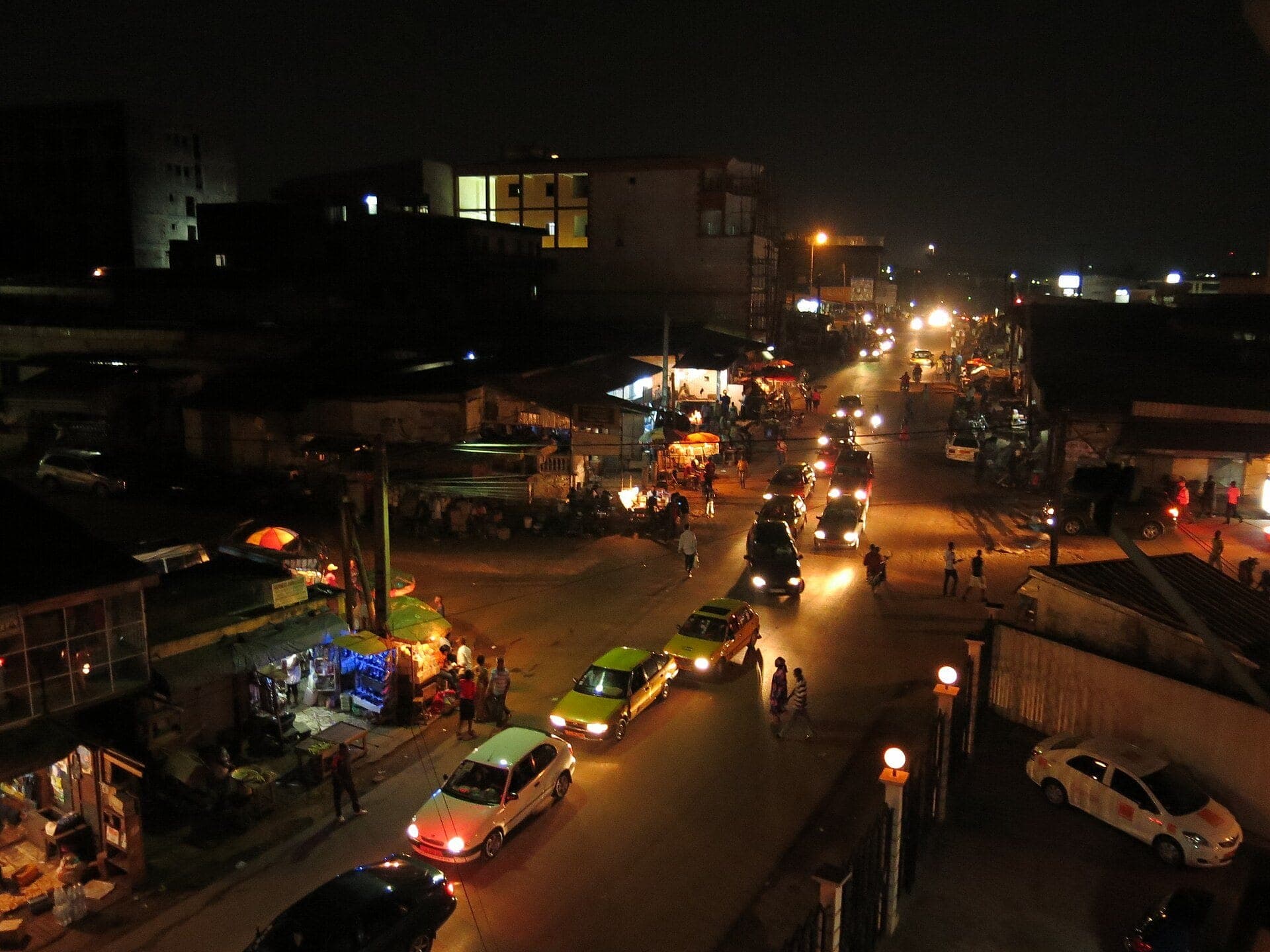
The snack-bar, the neighbourhood’s living room: a Cameroonian culture
Elsewhere, a snack-bar serves sandwiches. Here it is a terrace, a loudspeaker, a screen for the match and friends around a table. What the word means in Cameroon, the music you hear there, and where to find them. For adults, in moderation.
By L'équipe NiceThings11 October 20263 min read
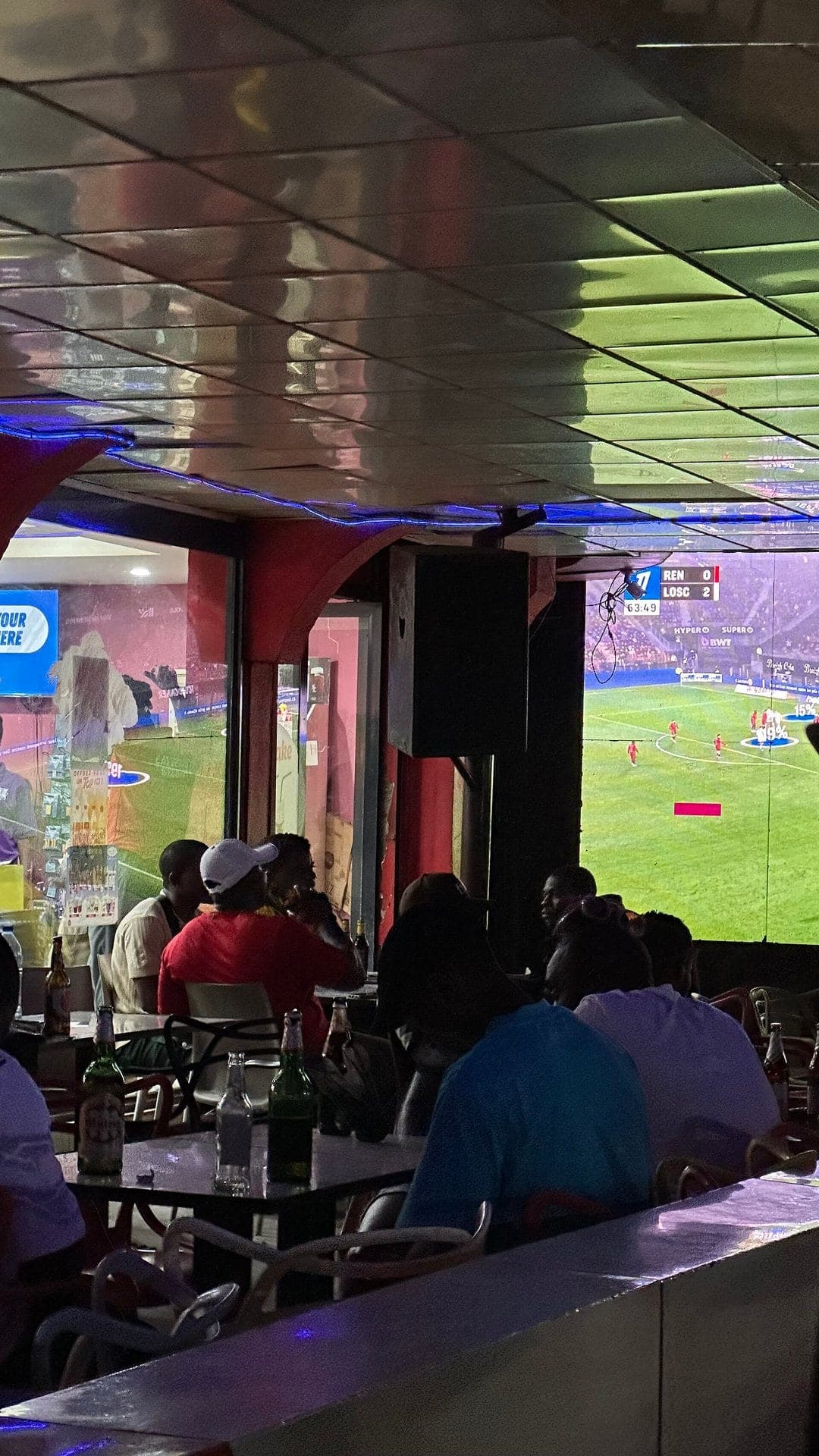
In other countries, a snack-bar is a counter where you eat a sandwich standing up. Say the word in Yaoundé or Douala and everyone pictures something else: plastic chairs, a loudspeaker, a screen showing the match, crates stacked behind the counter, and friends putting the world to rights around a table.
One word, another meaning
In Cameroon, the snack-bar is first of all a place to meet. People come after work, on match nights, for a birthday or for no reason at all. They drink something cold, listen to music, and often dance. Côte d’Ivoire has its maquis, described as places of meeting, debate and exchange as much as places to eat: the snack-bar belongs to the same family. It is the neighbourhood’s living room.
Signs that speak
On NiceThings, 58 places carry the word “snack” on their sign: 26 in Yaoundé, 10 in Douala, 7 in Kumba, 5 in Limbe, 3 in Kribi, and others in Bafoussam, Bamenda, Buea and Tiko. Their names say what people come for: “Rue de la Joie”, “Belle Vie”, “Club des Amis”, “La Différence”, “Turning Point”. Some spell it out all the way: “VIP ambiance”.
In Yaoundé, you find them mostly around Biyem-Assi, Omnisport and Mvan; in Douala, several stand side by side in Mbanga Bakoko.
The soundtrack
In the loudspeakers, two kinds of music born here are never far away. Makossa first: it started in Duala culture and became popular music across the whole country. Its name comes from the Duala word kósa, “peel!”, called out to invite people to dance. Then bikutsi: a music and a dance of the Beti people, in the Centre. In Ewondo the word means roughly “to beat the earth”, like the dancers’ feet marking the rhythm.
Choosing your snack-bar well
- Look at the hours: many only really open in the evening. On NiceThings, each place’s page says what is known, and what is not known yet.
- Ask for prices before you order, especially in a group.
- Pick your table for your evening: near the screen for the match, away from the loudspeaker to talk.
- Think about getting home before you even leave the house.
They carry the word on their sign
NiceThings has not visited these places yet: they come from the open map. Do you know one? Tell us what it is worth. All the places: snack-bars in Yaoundé, in Douala, in Kumba and in Limbe.
Your turn to tell
- What makes a good snack-bar for you? The music, the price, the people?
- Which is the snack-bar of your neighbourhood, the one everybody ends up at?
- Makossa or bikutsi: which one gets you out of your chair?
Answer in a comment, just below.
Sources: Wikipedia (in French), Makossa, Bikutsi and Maquis; the figures come from the NiceThings catalogue. Photos: KLO.J (opening photo, CC BY 2.0), Fomukom Joel and Costawood (CC BY-SA 4.0), via Wikimedia Commons.
Every place on the map
6 places mentioned in this article
Share
Over to you
And you, what do you think?
An opinion, a memory, a good address: be the first to react.