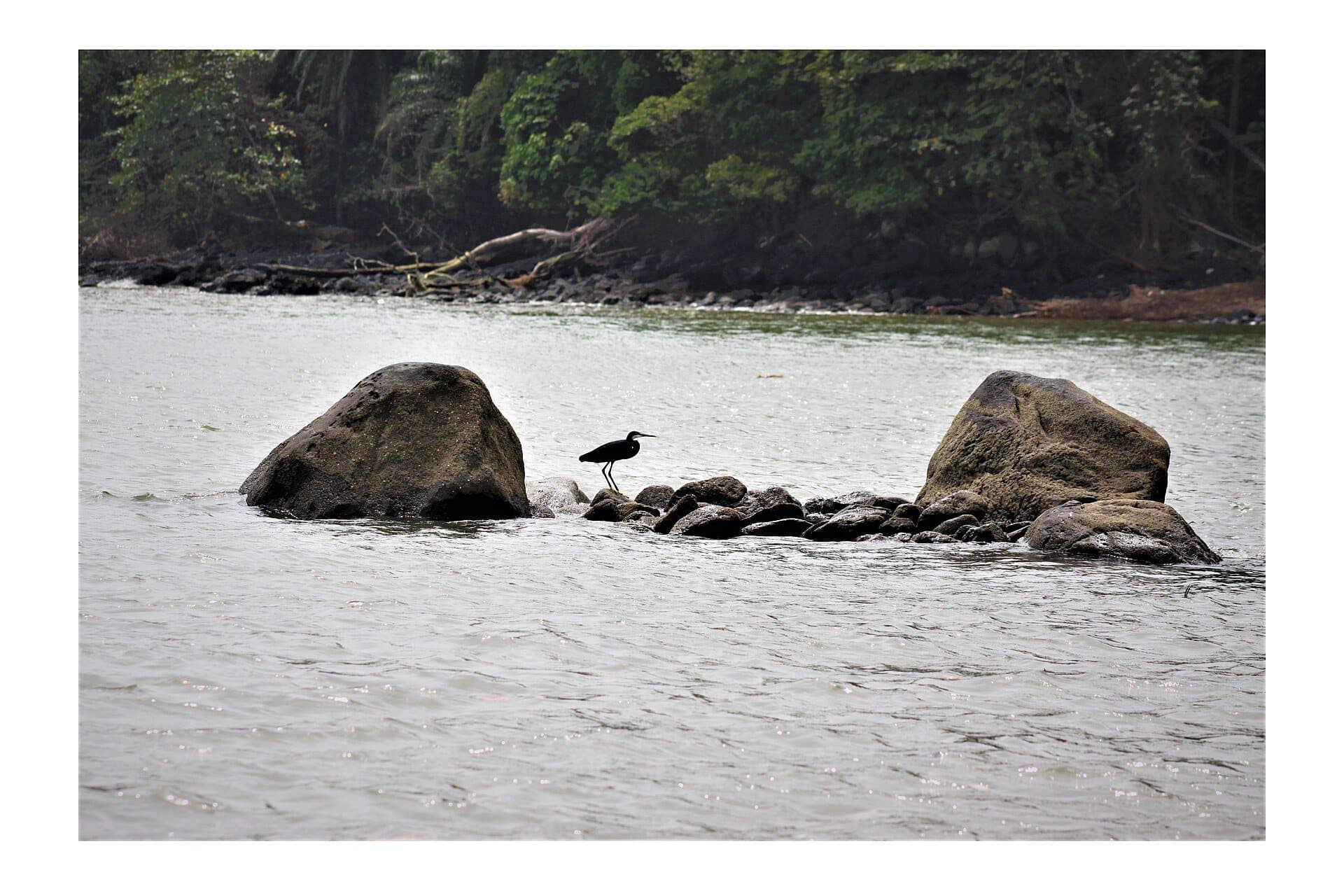
Bimbia: on the shore where so many lives were overturned
Ten minutes from Limbe, a former slave-trading port listed as national heritage. You do not come here for fun: you come to see, and to remember. How to get there, and in what spirit.
By Yuhala Darren Tuma11 October 20262 min read
There are places where people lower their voices without being asked. Bimbia is one of them. The landscape is beautiful, the sea is calm, and yet something tightens in your throat: it is from here that women, men and children were put on ships, never to return.
A port on the Gulf of Guinea
Bimbia is a coastal locality of Limbe, in the South-West. Its position was strategic: on the Gulf of Guinea, between the Rio del Rey and what was then called the “Cameroon River”, today’s Douala. That position is what made it a port of the slave trade.
A place of memory
Because of its past as a slave-trading port, Bimbia is now listed as Cameroonian national heritage. You will not find an amusement park here, or a beach like any other: you will find silence, and time to think of those whose story stopped here to begin another, on the other side of the ocean.
How to get there
- From Limbe: Bimbia is about ten minutes from the town centre.
- From Douala: allow about an hour to reach Limbe, some sixty kilometres away.
- Before you leave: ask in Limbe about the state of the road and whether a guide is available.
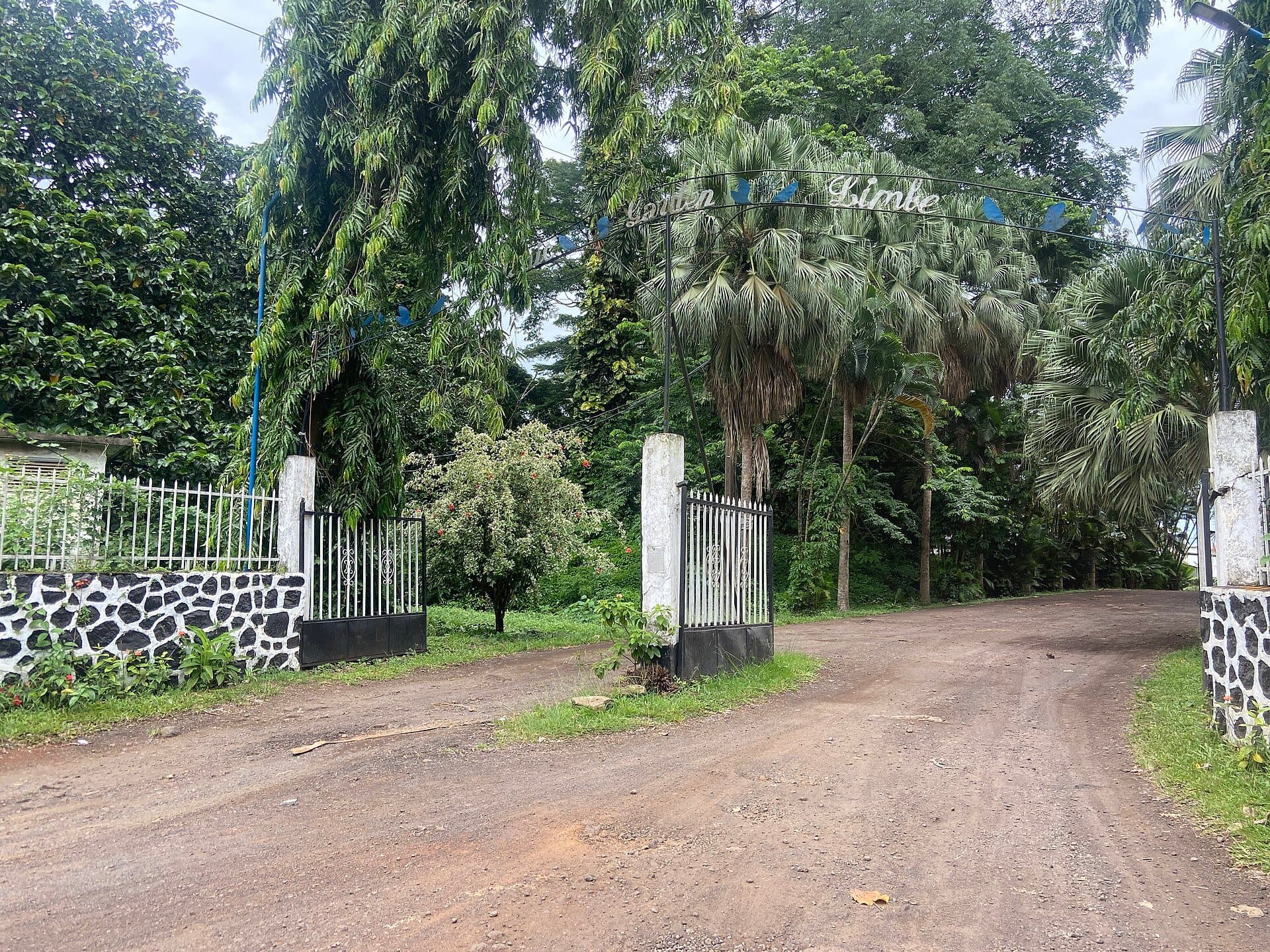
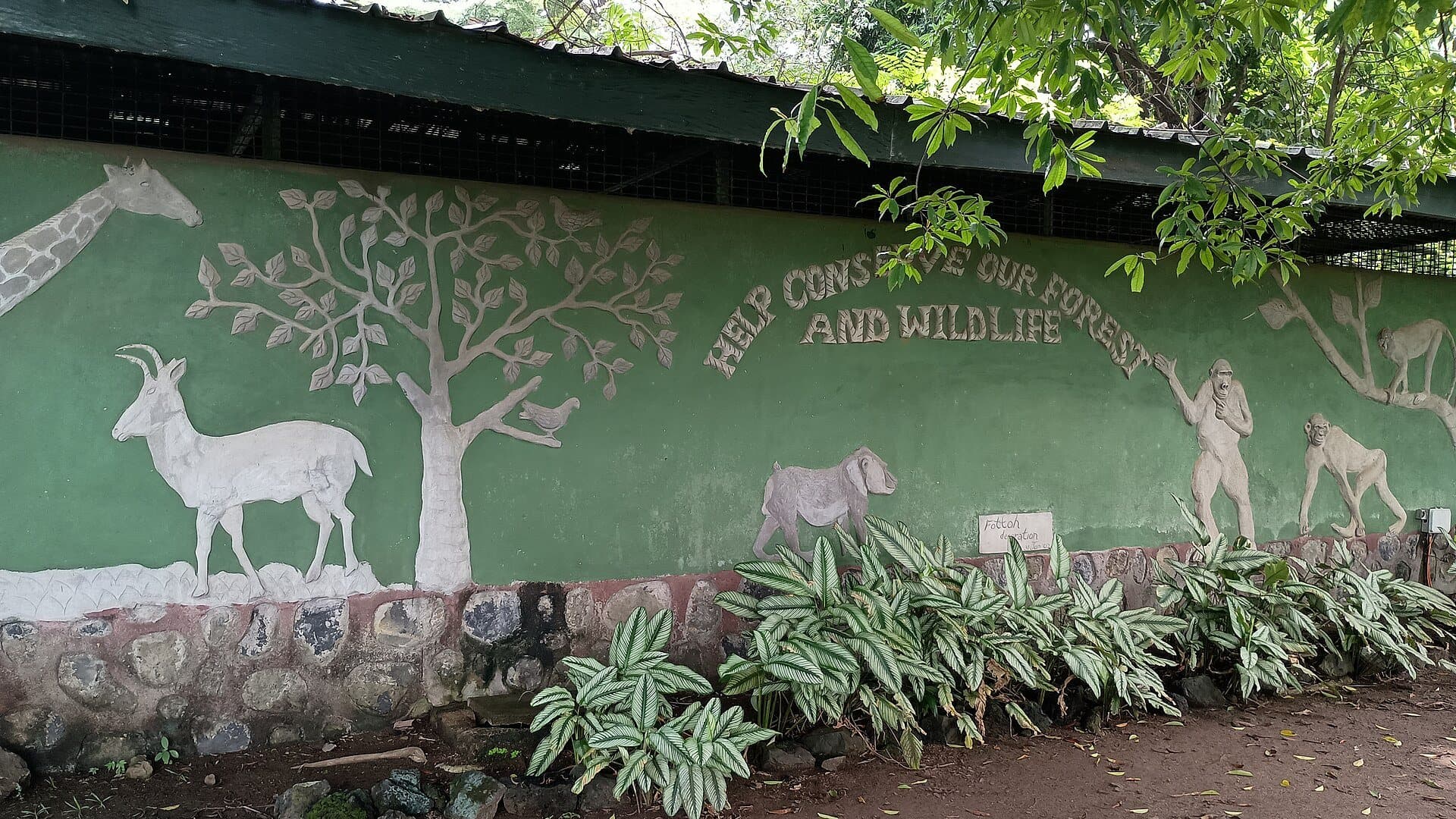
In Limbe, on the same day
Your turn to tell
- Have you been to Bimbia? What did you feel there?
- How is this history spoken about in your family?
- What should be done so that more Cameroonians know this place?
Answer in a comment, just below.
Source: Wikipedia, Bimbia. Photo via Wikimedia Commons, author credited under the picture.
Every place on the map
3 places mentioned in this article
Share
Over to you
And you, what do you think?
An opinion, a memory, a good address: be the first to react.