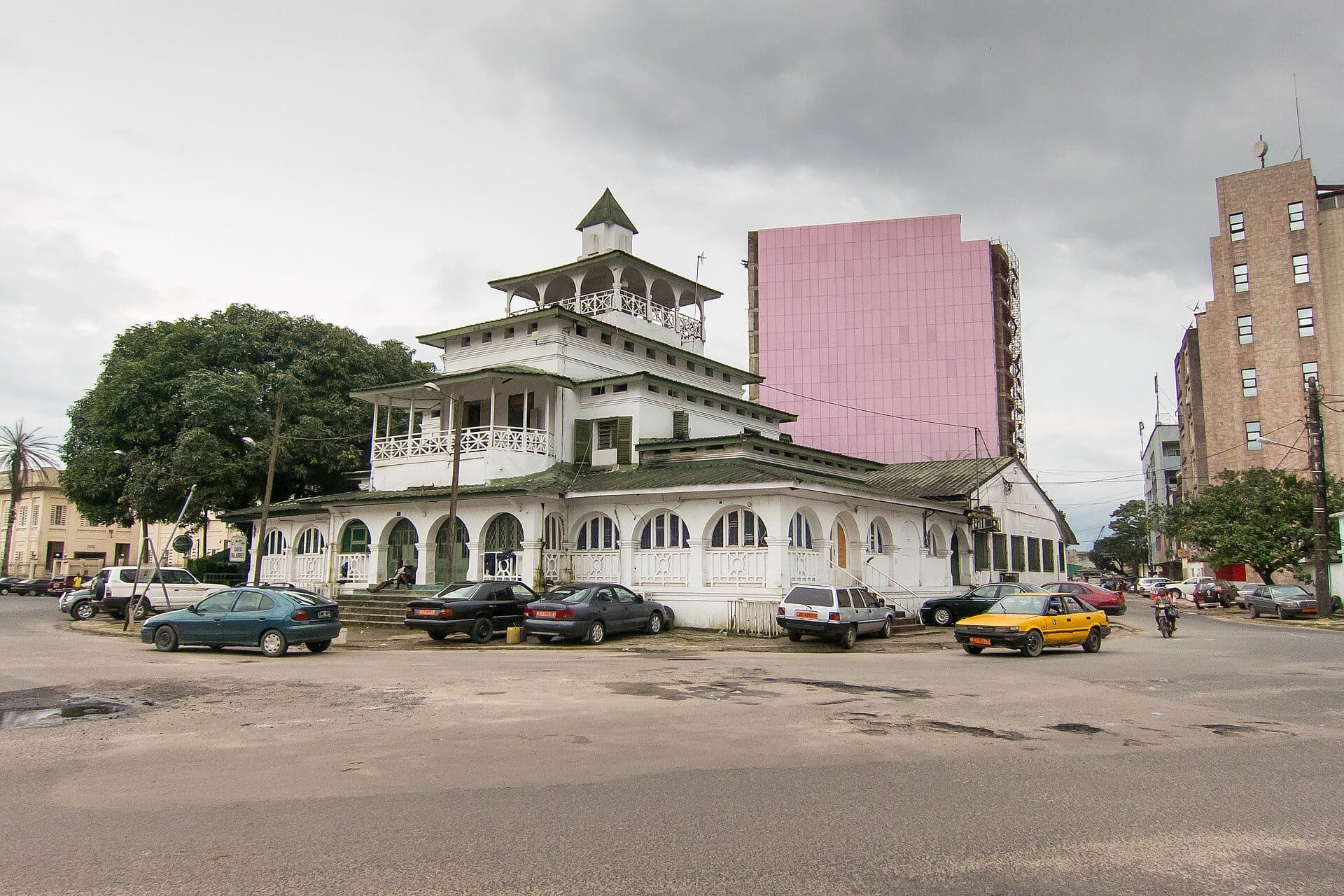
La Pagode: the house of the Bell kings, in the heart of Douala
In Bonanjo, a house with stacked roofs has watched Douala go by since 1905. Behind its light nickname lies the story of a dynasty and of Rudolf Douala Manga Bell, the king who said no.
By Yuhala Darren Tuma11 October 20262 min read
In Bonanjo, between office blocks and banks, a house with stacked roofs has watched Douala go by for more than a century. People call it la Pagode. Behind that light nickname lies the story of a dynasty, and of a king who paid with his life for refusing to see his people driven from their land.
A house from 1905
The palace of the Bell kings was built in 1905, during the German period, for King Auguste Manga Ndumbe. It stands in Bonanjo, the former Joss plateau, in the heart of the city’s historic and administrative quarter. With its succession of roofs, it looks like nothing else in Douala.
Why “la Pagode”?
The nickname comes from a writer. Louis-Ferdinand Céline, who stayed in Cameroon in 1916 and 1917, gives the building that name in his novel Journey to the End of the Night. Douala kept it.
The king who said no
In 1908, Rudolf Douala Manga Bell succeeded his father and moved into the palace. He had spent several years in Germany in his youth: he knew the language, the law and the administration of those who then ruled the country. When that administration decided to expel the Duala from their ancestral land, he led the resistance.
He lived in la Pagode until his arrest, in July 1914. He died in Douala on 8 August 1914. To walk past this house is to walk past the last address of a man who chose his own people.
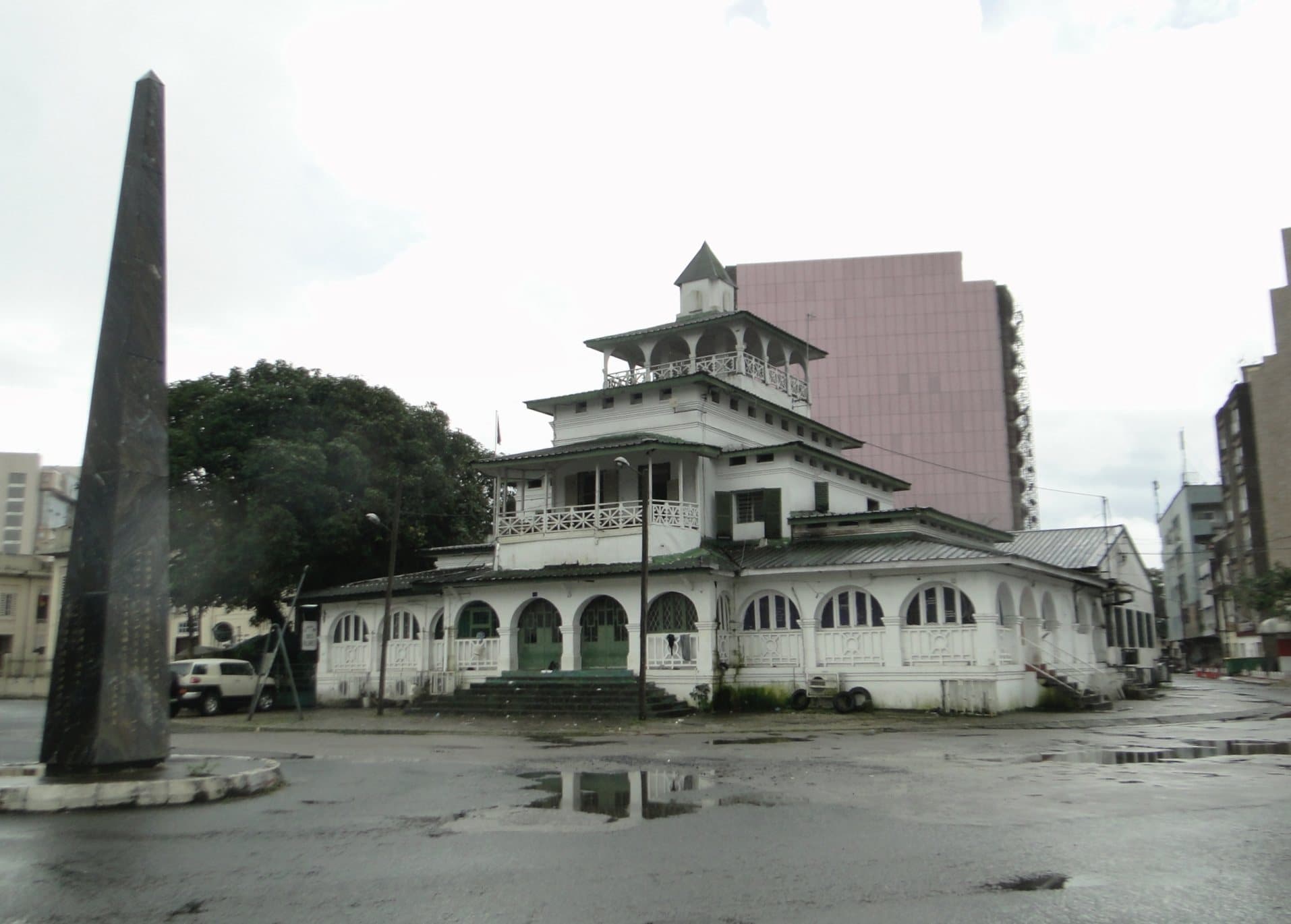
Getting there, and what to see around
- Where: in Bonanjo, in the historic centre of Douala.
- How: the building is first looked at from outside. Walk around it, look up, take your time.
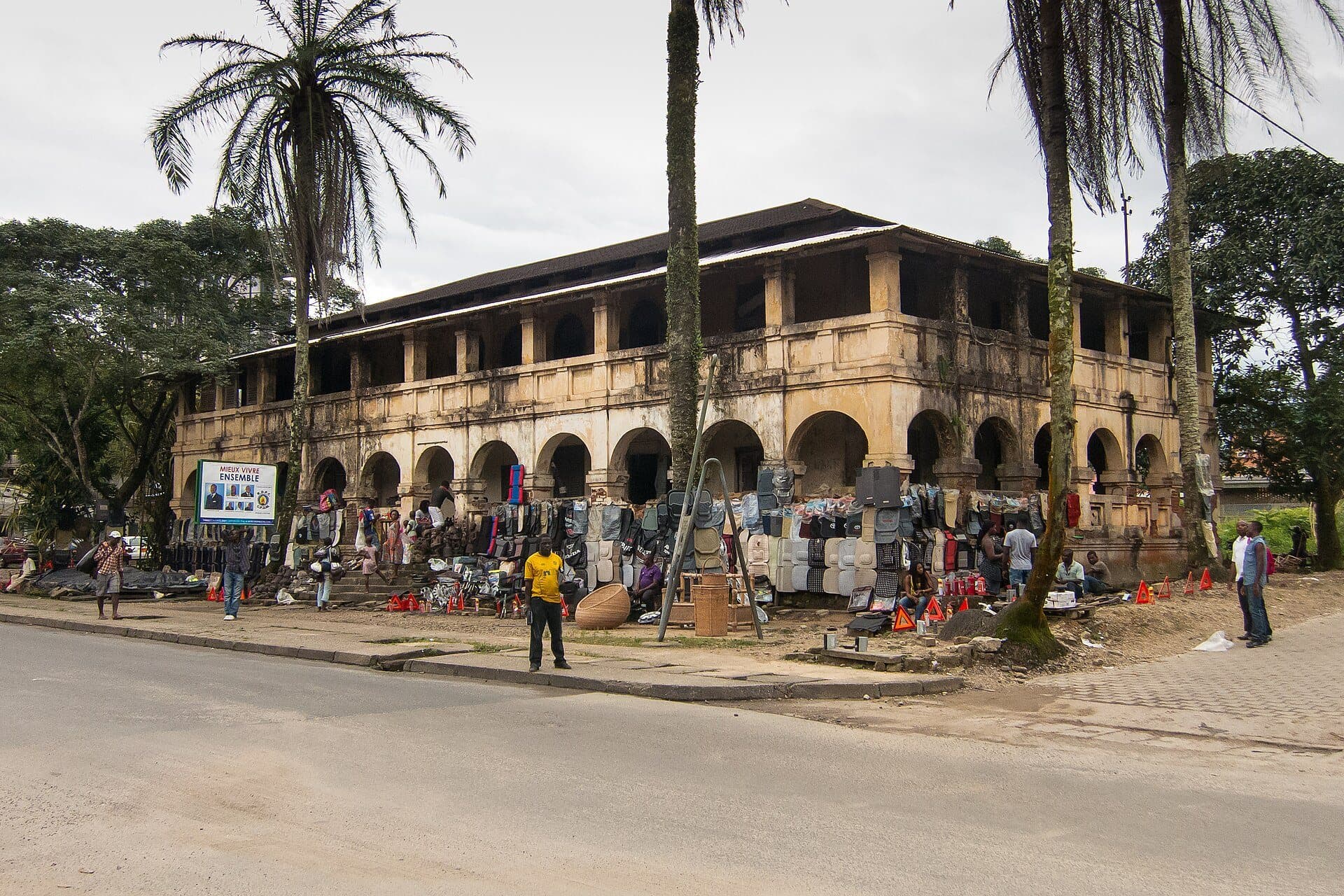
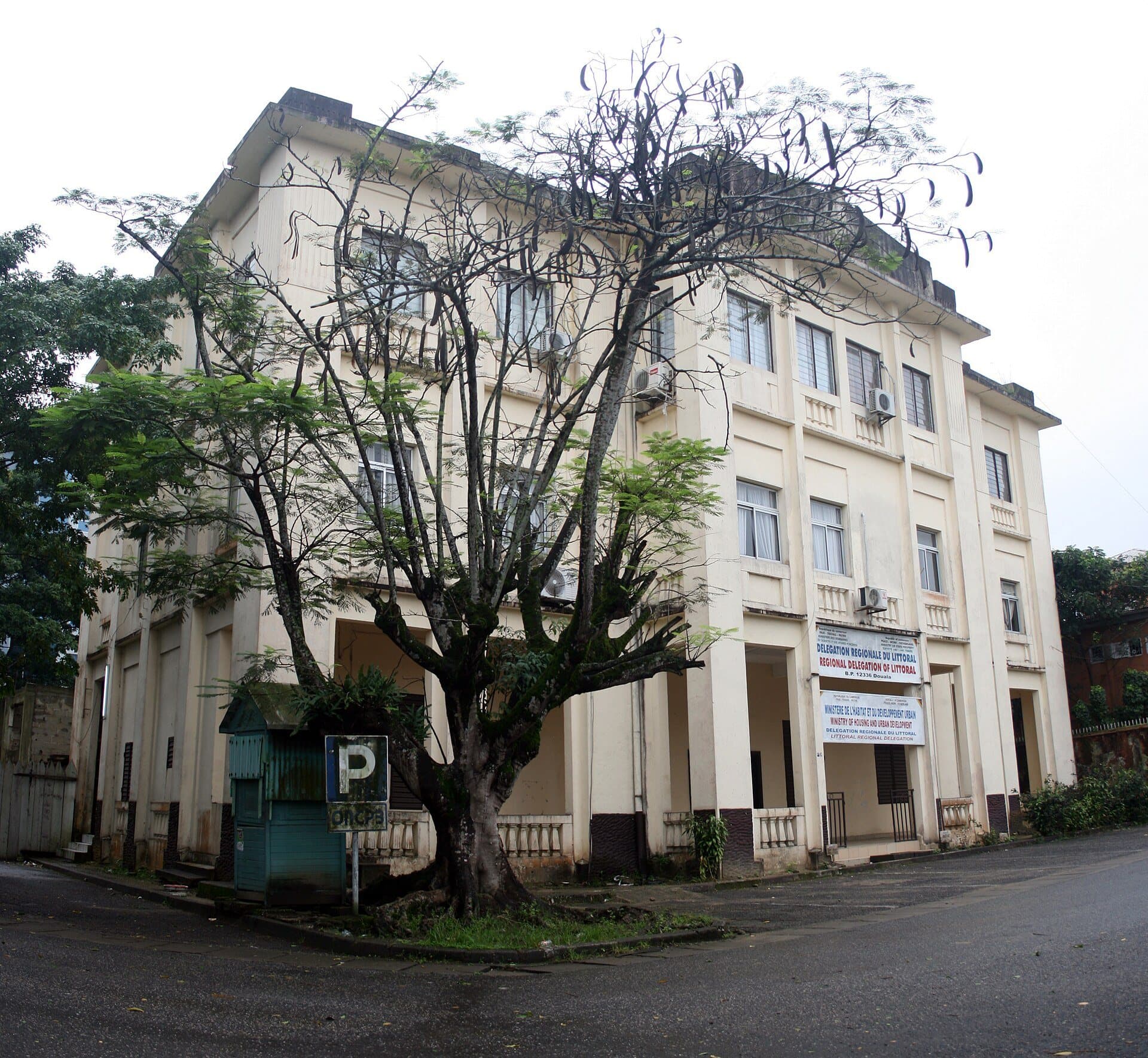
- On foot, close by: other witnesses of the same period, to take in on the same walk.
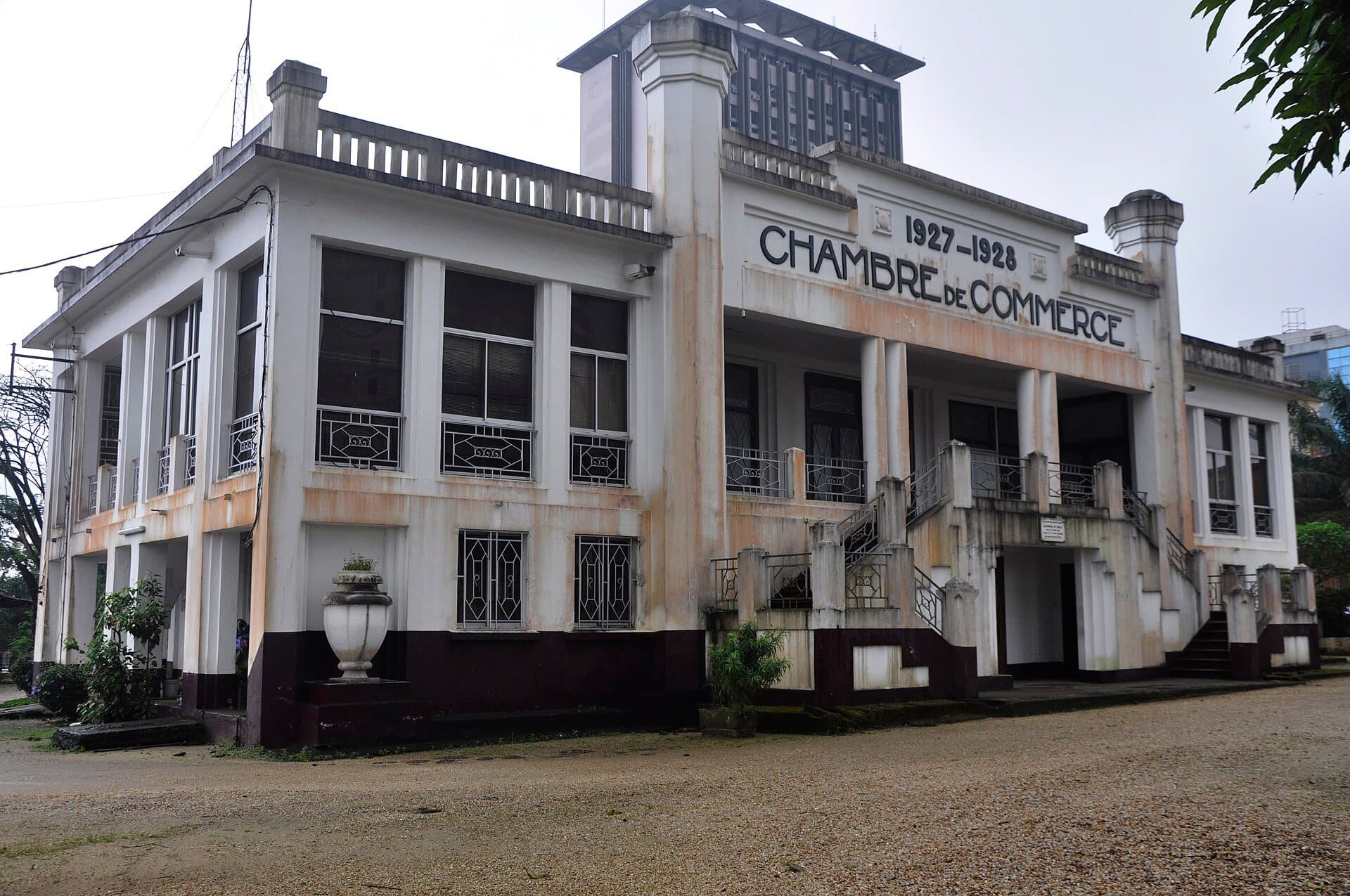
The same period, a few streets away
Your turn to tell
- Do you walk past la Pagode every day? What does it mean to you?
- What were you taught, at school or at home, about Rudolf Douala Manga Bell?
- Which other building in Douala deserves to have its story told?
Answer in a comment, just below.
Sources: Wikipedia, Palais des rois Bell and Rudolf Douala Manga Bell. Photos via Wikimedia Commons, authors credited under each picture.
Every place on the map
4 places mentioned in this article
Share
Over to you
And you, what do you think?
An opinion, a memory, a good address: be the first to react.