Foumban: walking through the city where a king invented a script
A red-brick palace that is still lived in, a museum shaped like a two-headed serpent, workshops where bronze is still cast: Foumban is a city to visit on foot, slowly. How to get there, what to see, and what you bring back.
By Yuhala Darren Tuma11 October 20264 min read
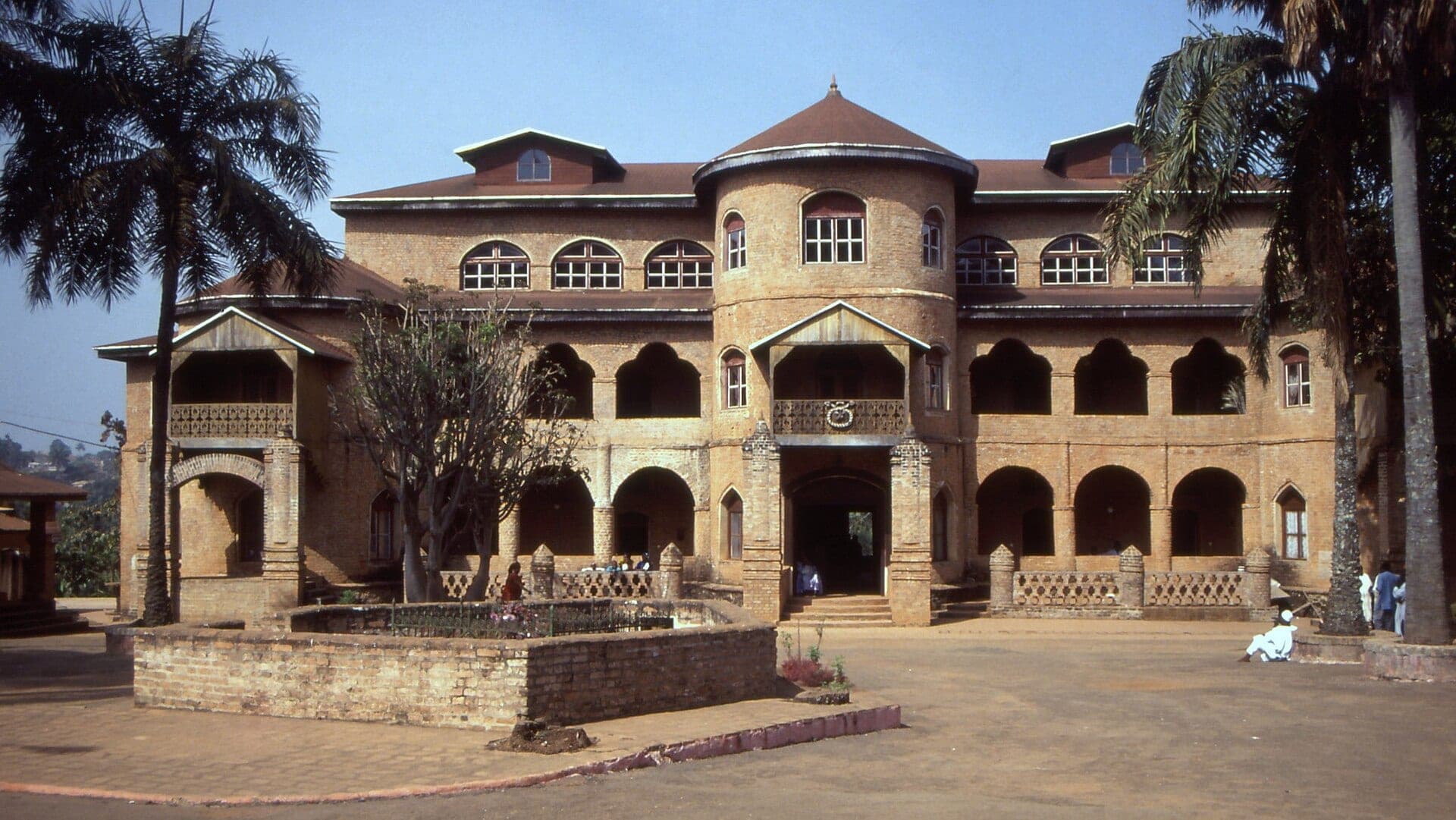
Some cities you visit. Foumban you walk through slowly, on foot, looking up. Here a red-brick palace tells six centuries of kings, a museum is shaped like a two-headed serpent, and in the workshops bronze and wood are still worked by hand. You leave feeling you have walked through a history book nobody ever closed.
A palace that is still lived in
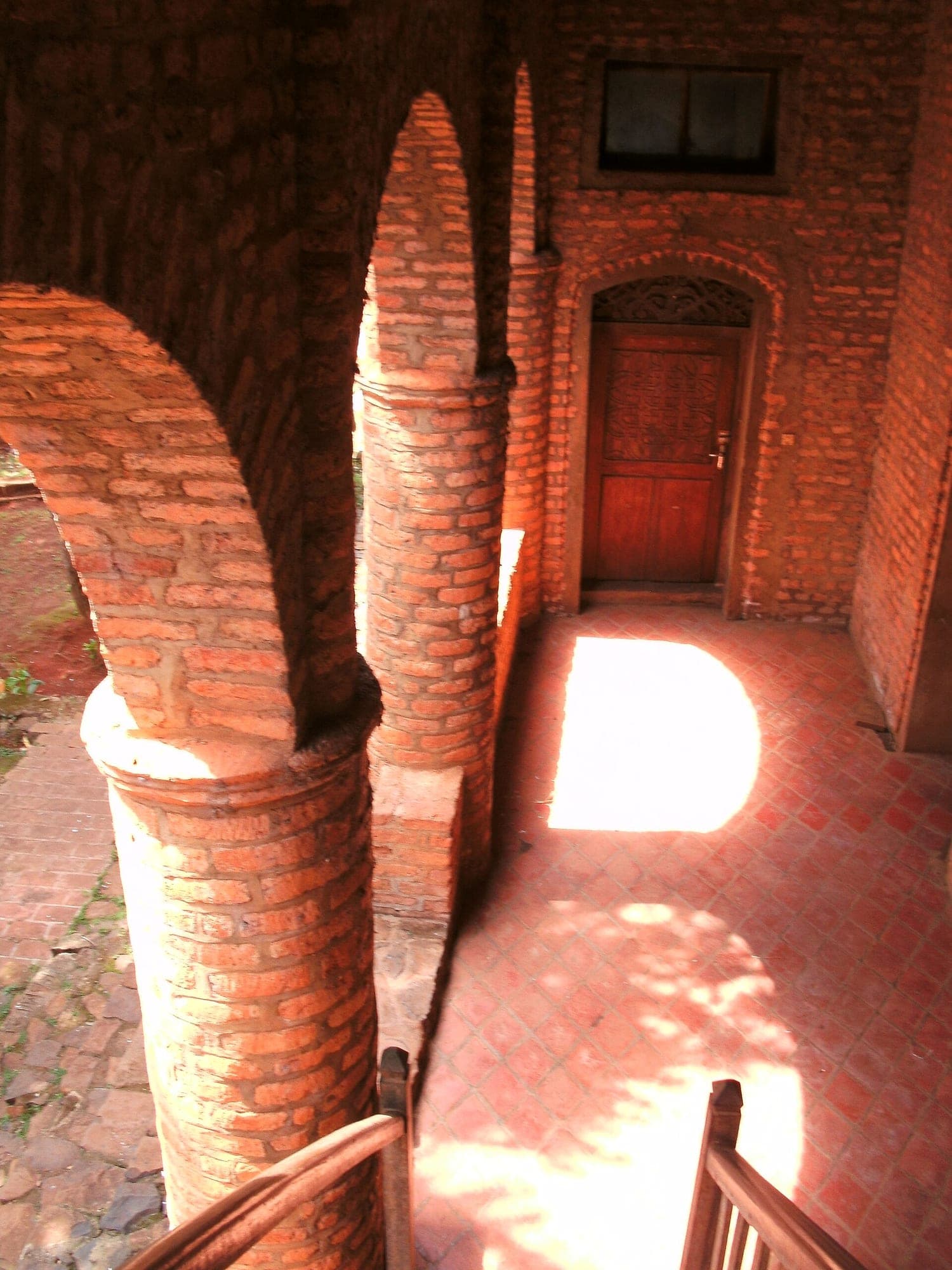
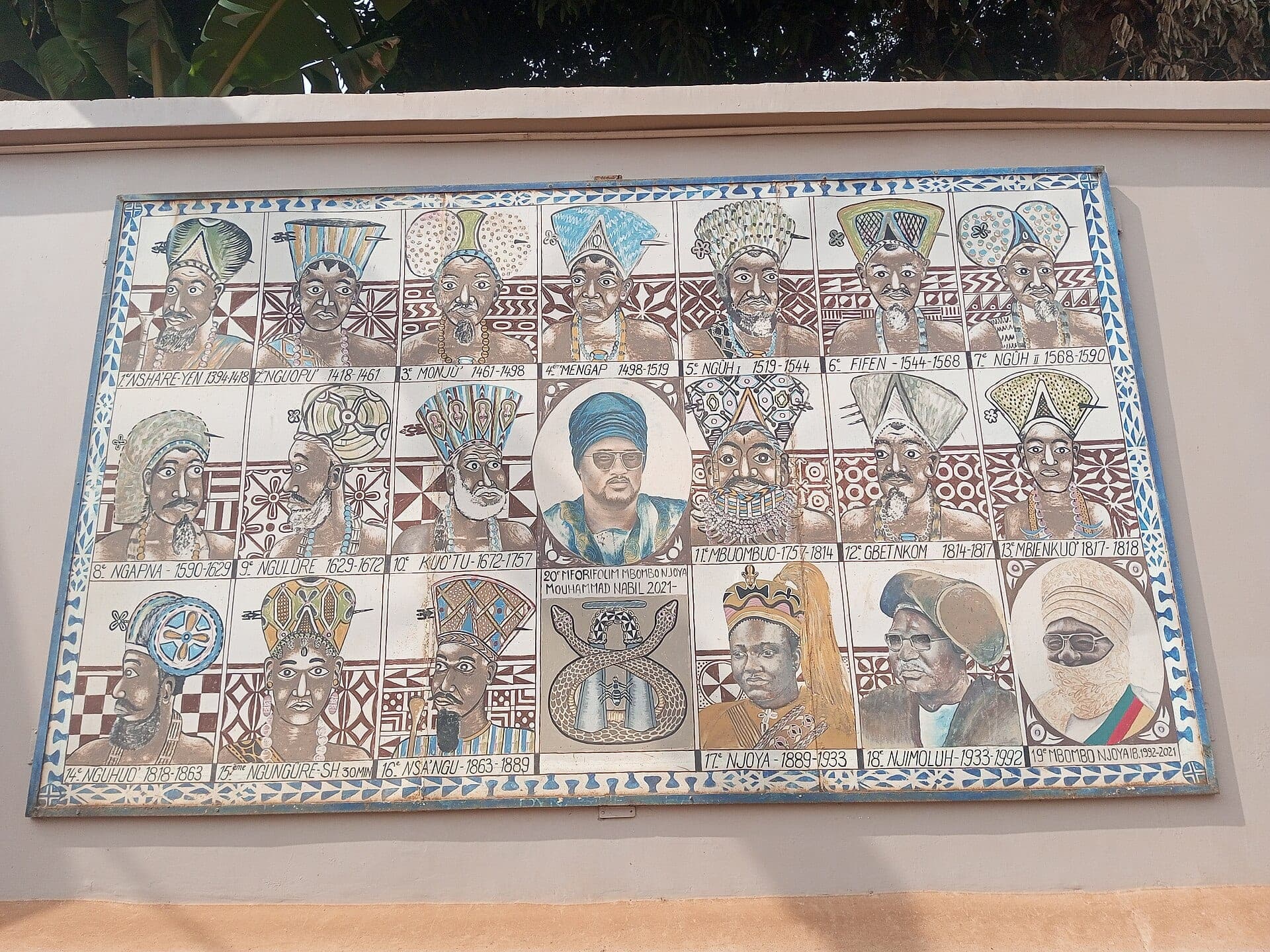
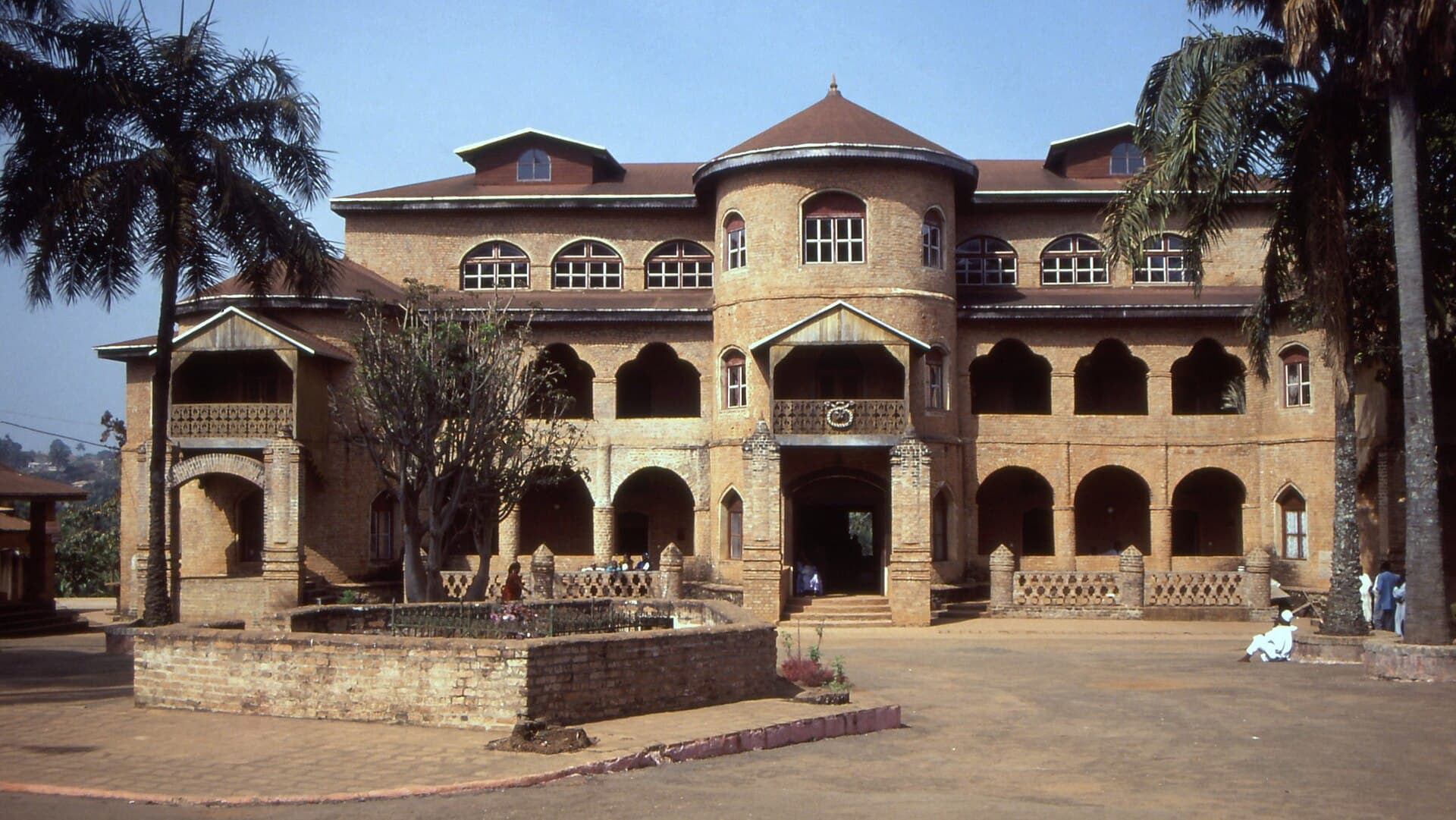
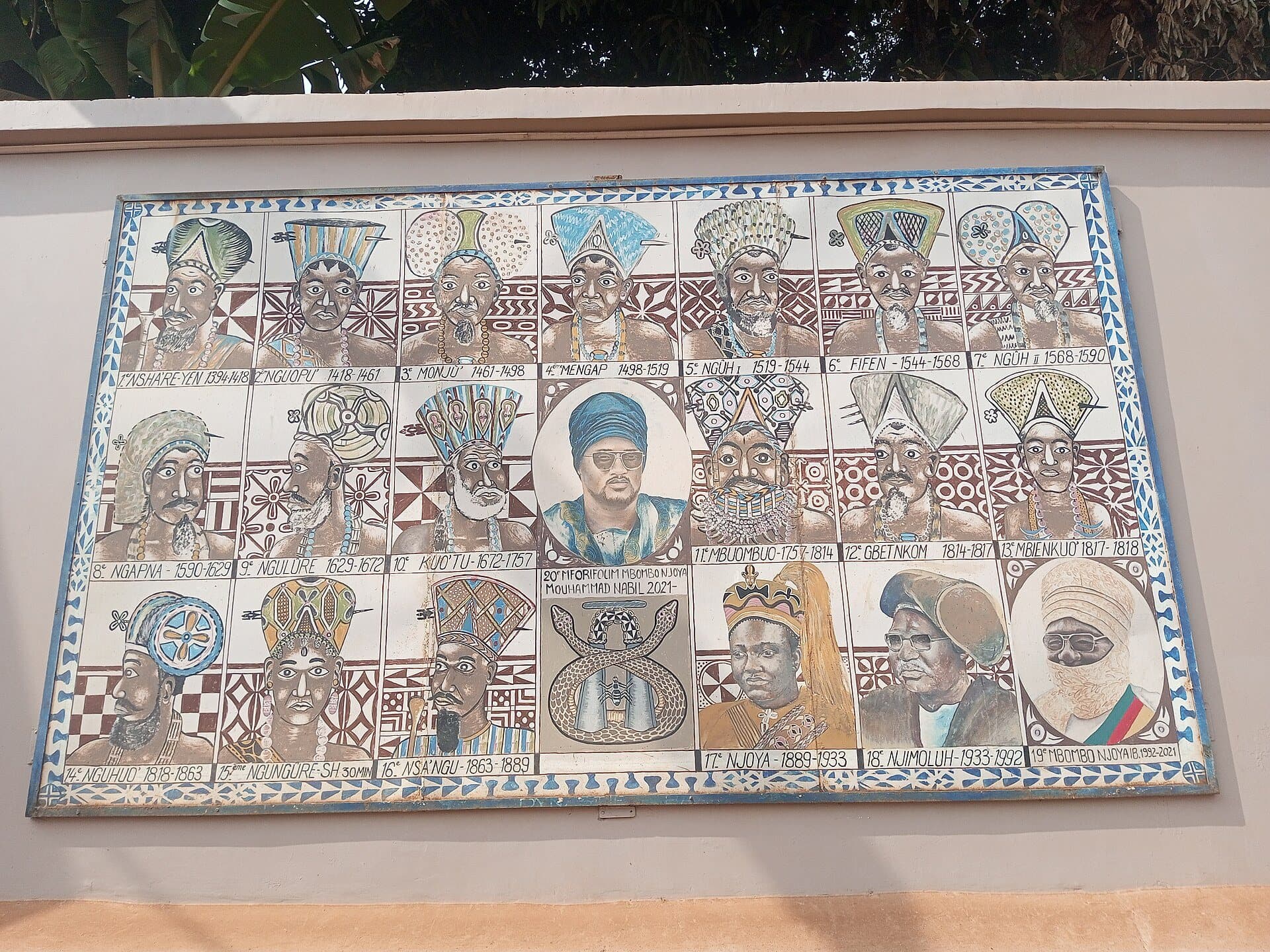
The palace of the Bamoun sultans was built in 1917 by King Ibrahim Njoya. It is neither a ruin nor a stage set: it is still the sultan’s home. The dynasty it houses goes back to 1394, which makes the Bamoun kingdom one of the oldest in sub-Saharan Africa.
The king who invented a script
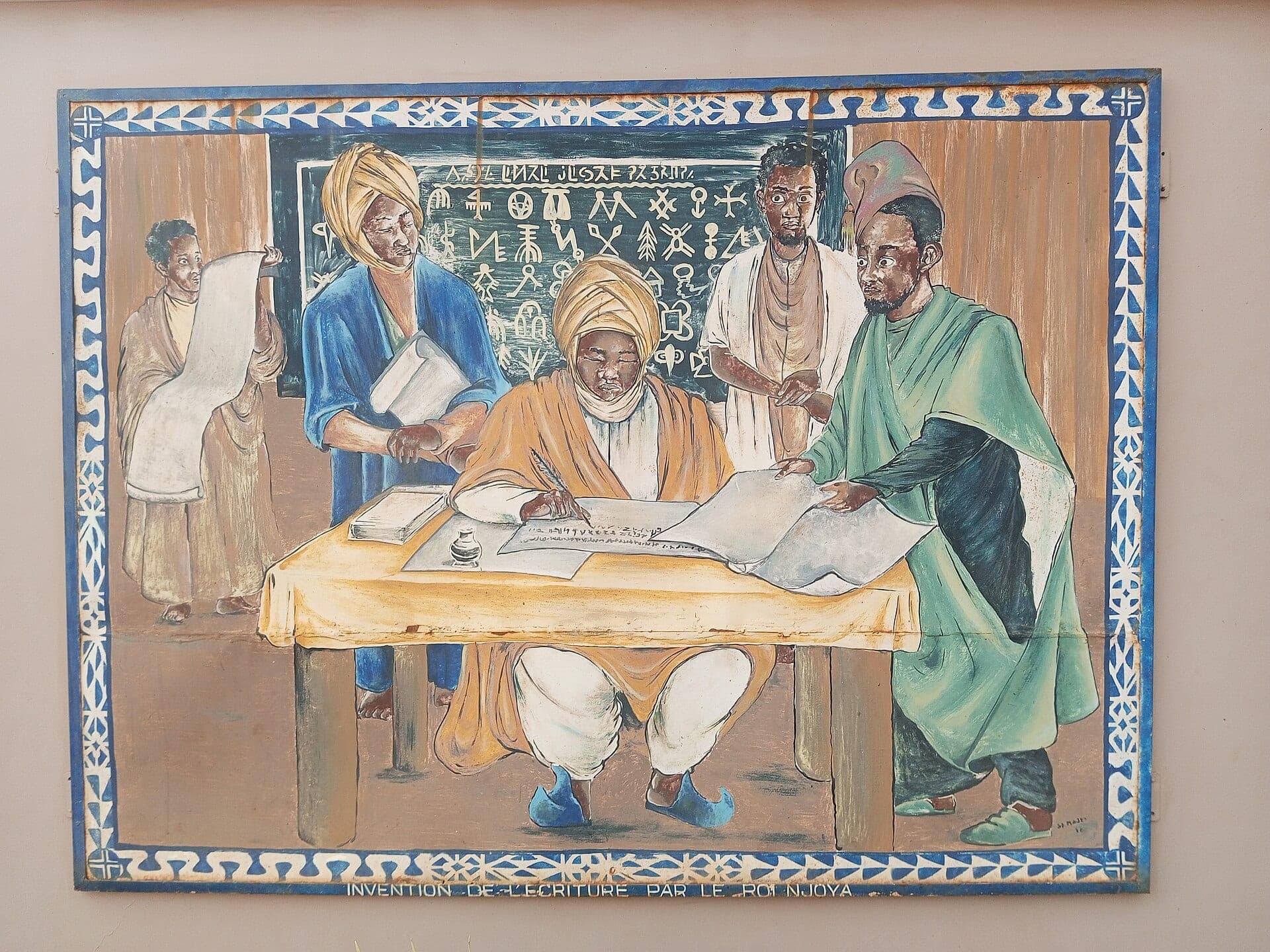
Njoya was not only a builder. He gave his people a script, to record the kingdom’s history, its customs and its remedies. At a time when people kept saying Africa did not write, a king in the West of Cameroon answered with manuscripts. He died in 1933. His script is still there, and that may be what moves you most when you see it for the first time.
A museum shaped like a serpent
Since 13 April 2024, Foumban has a new jewel: the Museum of the Bamoun Kings. Its 5,000 square metres take up the kingdom’s emblems: the two-headed serpent, for strength; the spider, for work and wisdom; the double bell, for unity. Inside, more than ten thousand pieces tell the story of the dynasty.
The walk: from the palace to the workshops
The best of Foumban is done on foot. Leaving the palace, a few hundred metres take you to the Museum of Bamoun Arts and Traditions, then to the craftsmen’s workshops: carved wood, bronze, embroidery. You look, you talk, you bargain. Nobody will mind if you take your time.
How to get there
- From Bafoussam: Foumban is about 70 km away by road. It is the simplest way in.
- From Yaoundé or Douala: you first reach Bafoussam, then carry on to Foumban. Allow the day for the journey.
- Once there: the palace, the museums and the workshops are done on foot. For the rest, motorbike taxis are everywhere.
- Prices for entry and for a guide change: ask at the desk before you start the visit.
When to go
All year round. But if you can, aim for the Nguon: the great festival of the Bamoun people, with its rites and parades, has been on UNESCO’s list of the intangible cultural heritage of humanity since 2023. Its dates change: check before you leave.
Foumban on the NiceThings map
Your turn to tell
- Have you been to Foumban? What struck you most?
- How much did you pay for entry and the guide? Your price will help the next visitor.
- A good place to eat after the visit?
Answer in a comment, just below. And if you have photos or a video of the palace, add them on its page: they will appear on its wall.
You come to Foumban for a palace. You leave having understood that a kingdom can fit inside a script, and that a script can hold for six centuries.
Photos: Albert Backer (opening photo, 1991, CC BY-SA 3.0), WILLAV-FR and Devane Ndonnang Nanga Zenas (mural, dynasty), CC BY-SA 4.0, via Wikimedia Commons. Sources: Global Voices, VOA, Wikipedia.
Every place on the map
4 places mentioned in this article
Share
Over to you
And you, what do you think?
An opinion, a memory, a good address: be the first to react.